


Gardening doesn’t have to be complicated or expensive. With a few clever tips, you can boost plant growth, reduce waste, and make daily garden care almost effortless. Below are 10 tried-and-tested gardening hacks that are simple, eco-friendly, and perfect for beginners or experienced gardeners who want better results with less effort.
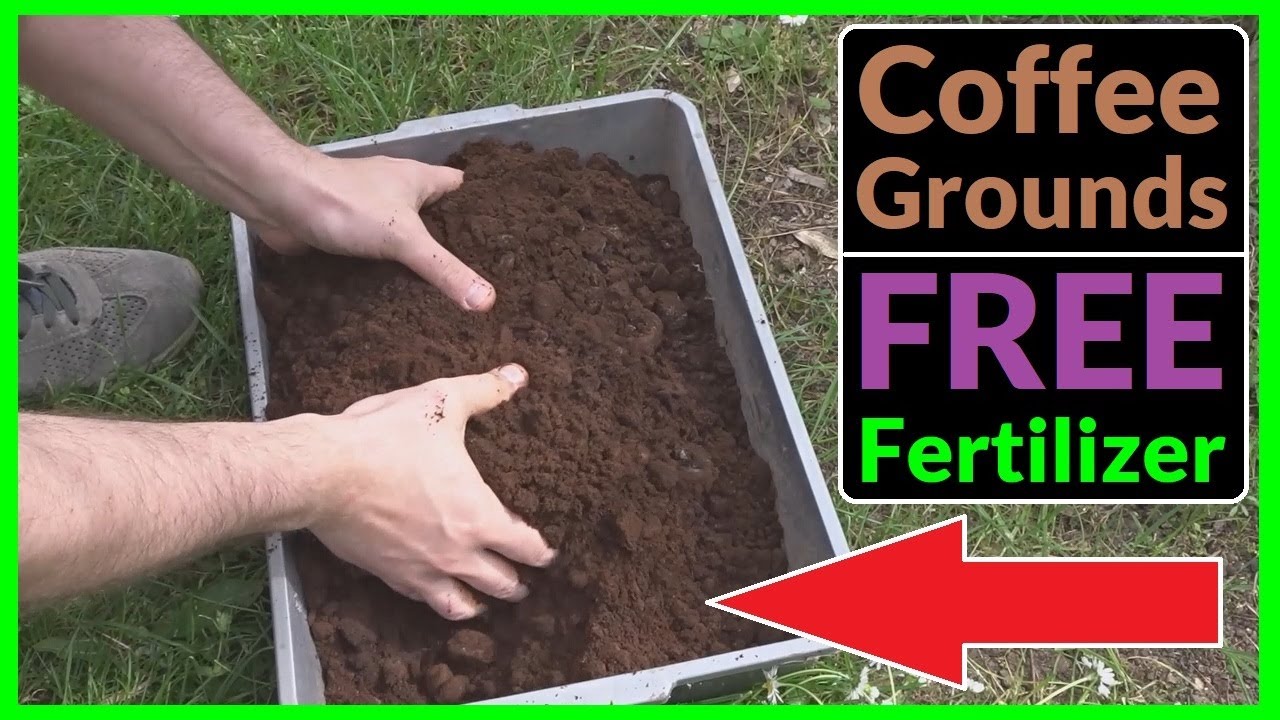
1. Coffee Grounds as a Natural Fertilizer
Don’t throw away used coffee grounds. They’re packed with nitrogen and minerals loved by acid-loving plants like hydrangeas, blueberries and tomatoes. Just sprinkle a thin layer on the soil or mix it into compost. Avoid overuse—it can make the soil too acidic.
2. Grow Veggies in 5-Gallon Buckets
Short on garden space? Use 5-gallon buckets with drainage holes for growing tomatoes, peppers, cucumbers or potatoes. They’re cheap, portable and perfect for balconies or small patios. Just make sure you use quality potting soil and water regularly.
3. Eggshells for Pest Control and Calcium
Eggshells aren’t just kitchen waste. Crush them and spread around your plants to stop slugs and snails—sharp edges keep pests away. As they decompose, they also add calcium to the soil, preventing blossom-end rot in tomatoes and peppers.
4. Banana Peel Fertilizer
Banana peels are rich in potassium, which helps plants grow stronger roots and flowers. Soak a few peels in a jar of water for 24 hours, then use the liquid to water plants. You can also chop the peels and bury them directly in the soil.
5. DIY Self-Watering Bottle System
Going away for a few days? Fill a plastic water bottle, make a small hole in the cap, insert a cotton string or wick, and place it near your plant. It slowly releases water directly to the roots—perfect for busy or forgetful gardeners.
6. Cinnamon to Prevent Fungal Diseases
If your seedlings keep getting mold or damping-off disease, sprinkle a little cinnamon on the soil surface. Cinnamon has natural antifungal properties and protects sensitive young plants safely—no chemicals needed.
7. Start Seeds in Toilet Paper Rolls
Cut toilet paper rolls in half, fill them with soil, and plant your seeds. Once the seedlings are ready, you can plant the entire roll in the ground. The cardboard breaks down naturally and doesn’t disturb the roots.
8. Reuse Cooking Water for Extra Nutrients
The water left after boiling vegetables or pasta (only if unsalted) is full of minerals. Let it cool and use it to water your plants. It’s a natural fertilizer—and a great way to reduce waste.
9. Epsom Salt for Greener Leaves
If your plants have yellowing leaves or poor growth, they might lack magnesium. Mix 1 tablespoon of Epsom salt in a gallon of water, and spray the leaves or water the soil. It helps plants become greener, stronger and healthier.
10. Use Milk Jugs as Mini Greenhouses
Protect young seedlings from wind, frost or pests by cutting the bottom off a plastic bottle or milk jug and placing it over the plant. It creates a mini greenhouse—trapping warmth and moisture while letting light in.


