


From Neglected Backyard to Thriving Vegetable Garden: A Beginner’s Journey
Transforming a small, neglected backyard into a lush vegetable garden may seem daunting, especially for beginners. However, with dedication, patience, and the right approach, it’s entirely achievable—even in a single growing season. This story follows Jane, a novice gardener who turned her patch of poor soil into a flourishing garden filled with tomatoes, zucchini, and lettuce. Here’s her detailed journey, including early challenges, practical tips, and the incredible harvest she enjoyed.
Starting with Poor Soil: The Real Challenge
Jane’s backyard was typical of many urban spaces—small, shaded, and suffering from years of neglect. The soil was compacted, sandy in some places, clay-like in others, and lacking in nutrients. She knew the first step was to improve the soil, but wasn’t sure where to start.
The First Steps: Simple Composting Methods
Without access to fancy equipment, Jane began with composting kitchen scraps such as vegetable peelings, coffee grounds, and eggshells. She purchased a small compost bin and emptied it into her garden beds regularly, mixing it into the soil to enrich it naturally.
Basic composting tips Jane followed:
- Add a good balance of green (nitrogen-rich) and brown (carbon-rich) materials.
- Keep the compost moist but not soggy.
- Turn the compost every few weeks to aerate.
- Avoid placing meat, dairy, or oily foods in the bin.
Over a few months, this simple composting method gradually improved the quality and texture of her soil, making it more hospitable to plants.
Choosing Easy Crops: The Beginner’s Garden
Being new to gardening, Jane selected reliable and easy-to-grow vegetables that could thrive without complex care.
Crops she chose:
- Tomatoes: Cherry varieties that are forgiving and prolific.
- Zucchini: Known for fast growth and abundant yield.
- Lettuce: Quick-growing greens that thrive in small spaces and partial shade.
Jane purchased seedlings rather than seeds to get a quicker start and placed them strategically for maximum sun exposure.
Early Failures: Learning the Hard Way
Gardening is never without its learning curves, and Jane faced several early setbacks.
Common mistakes she made:
- Overwatering: Jane initially watered her plants every day, leading to soggy soil and root rot.
- Pests: Aphids and slugs quickly appeared, damaging young leaves and stems.
- Neglecting regular maintenance: She overlooked pruning tomato suckers and thinning lettuce, which slowed growth.
Though disheartening, these failures provided valuable lessons.
Turning the Tide: From Struggles to Success
With guidance from online forums and local gardening groups, Jane adapted her approach.
What changed?
- She shifted to watering deeply but less frequently early in the morning, helping roots grow strong.
- Introduced natural pest repellents such as neem oil and companion planting with marigolds to deter aphids.
- Regularly pruned and thinned her plants to encourage airflow and growth.
- Continued adding compost, mulching to retain moisture, and setting up trellises for tomatoes.
Gradually, Jane’s garden began to flourish. The tomatoes started ripening, zucchini plants stretched expansively, and lettuce beds became dense and vibrant.
Before-and-After: A Stunning Transformation
Before: Bare, cracked soil, overgrown with weeds and scattered debris. The harsh sun beat down on a neglected patch with little life.
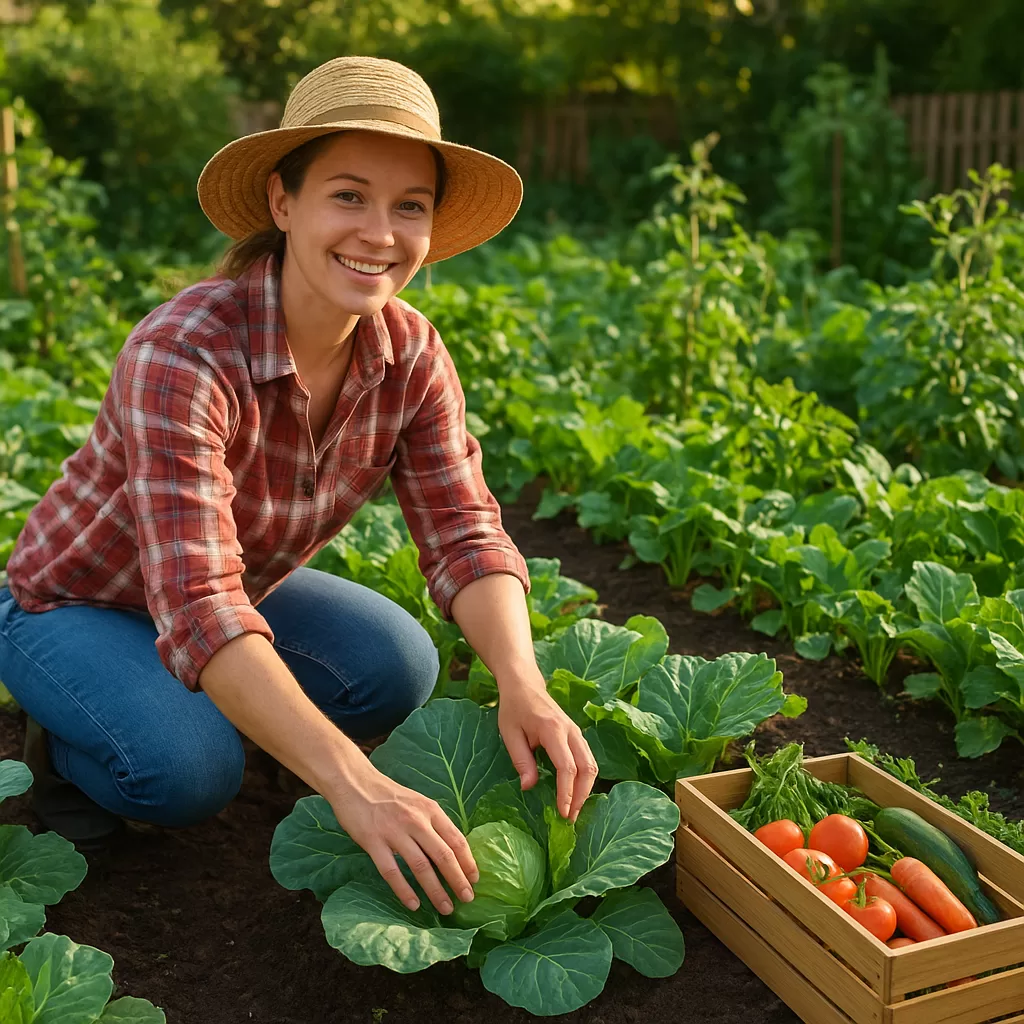
After: Rich, dark earth brimming with healthy green leaves, colorful tomatoes hanging from strong stems, and sprawling zucchini. The garden was alive with buzzing bees and fluttering butterflies.
Bountiful Harvest: Reaping Rewards
By the end of the season, Jane’s small backyard produced:
- Over 30 pounds of cherry tomatoes
- Several large zucchinis almost every week
- Multiple harvests of fresh lettuce for salads
The satisfaction of eating food grown from her own hands was immense. Plus, the garden became a peaceful retreat and a source of pride.
Practical Tips for Your Own Urban Vegetable Garden
Jane’s experience shows that anyone, even beginners, can grow a thriving vegetable garden with a few key strategies.
Tips to get started:
- Test and Improve Your Soil: Use simple composting and organic matter to enrich poor soil.
- Choose Easy Crops: Tomatoes, zucchini, and lettuce are forgiving and productive.
- Start with Seedlings: For quick wins and easier care.
- Avoid Overwatering: Water deeply but less often.
- Manage Pests Naturally: Use companion plants, natural repellents, and hand-pick pests.
- Prune and Thin: Encourage healthy growth and prevent diseases.
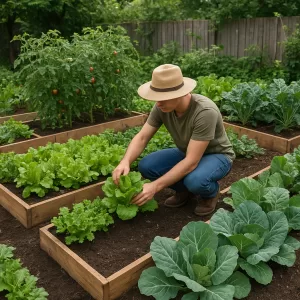
- Maximize Space: Use containers, vertical trellises, or raised beds in small spaces.
- Be Patient and Learn: Mistakes are learning opportunities; don’t get discouraged.
Conclusion
Jane’s journey from a neglected backyard to a thriving vegetable garden proves that even beginners can create productive green spaces with simple, practical methods. Whether you have a small urban yard or a limited budget, her story highlights how commitment and smart choices bring success and joy within just one growing season.
Start small, stay consistent, and watch your garden—and confidence—grow!


