


Gardening Mistakes Killing Your Plants 🌱
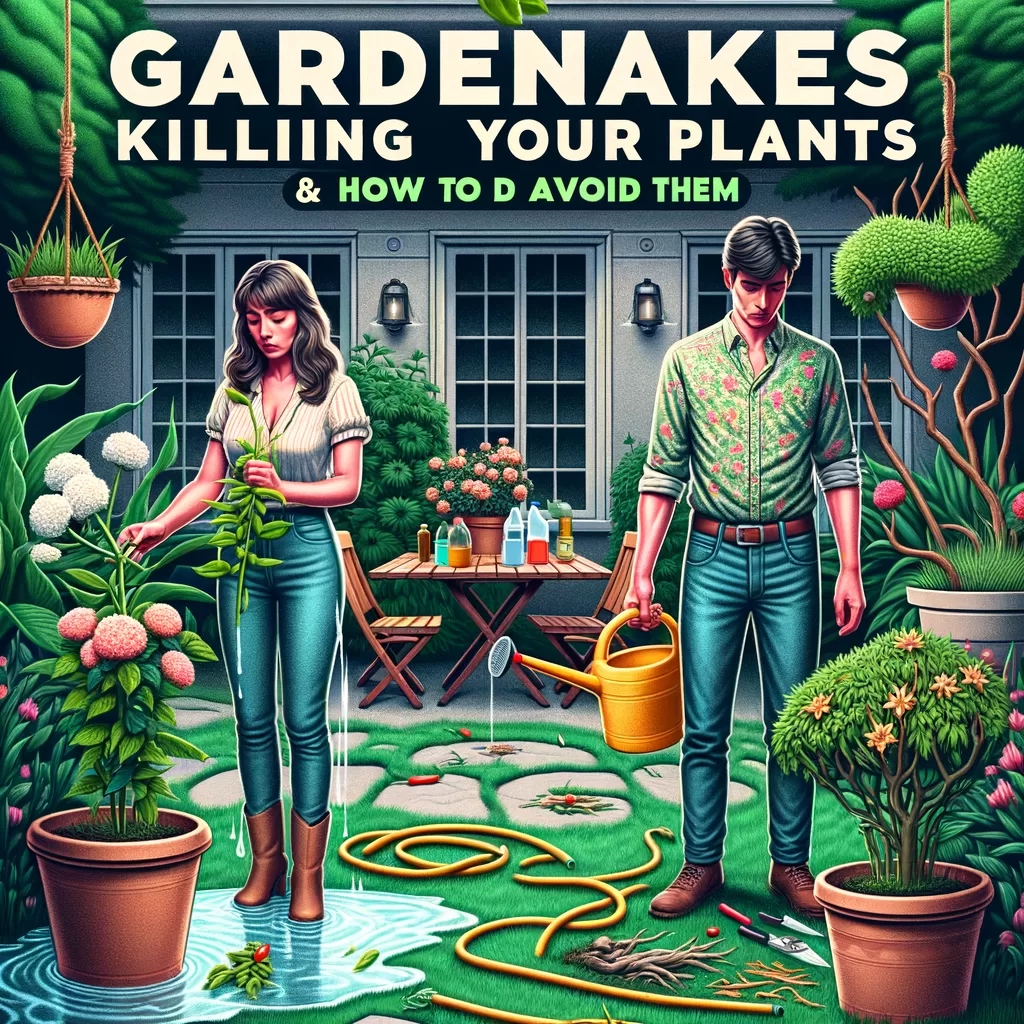
Gardening is a rewarding and therapeutic hobby, but it comes with its own set of challenges. Even the most experienced gardeners make mistakes that can harm their plants. Whether you’re a beginner or have been tending your garden for years, avoiding common gardening mistakes is key to keeping your plants healthy and thriving. In this article, we’ll explore some of the most common gardening mistakes killing your plants and provide tips to help you create a flourishing green space.
Overwatering: The Silent Plant Killer
One of the most frequent and damaging gardening mistakes is overwatering. Although plants need water to survive, too much can be just as harmful as too little.
- Roots Need Air: Overwatering saturates the soil, leaving no room for oxygen in the root zone. This can cause root rot and prevent plants from absorbing nutrients.
- Signs of Overwatering: Wilting despite moist soil, yellowing leaves, and fungal growth are common.
- How to Avoid It: Check the soil moisture before watering. Use well-draining soil and pots with drainage holes. Water only when the top inch of soil feels dry.
Ignoring Soil Quality and Preparation
Healthy plants start with healthy soil. Ignoring soil quality or skipping soil preparation is a huge gardening mistake that can stunt plant growth or cause death.
- Know Your Soil Type: Clay, sandy, or loamy soils each have different drainage and nutrient profiles.
- Improve Soil Health: Add organic matter like compost or manure to improve structure, fertility, and moisture retention.
- Test pH Levels: Most plants prefer a slightly acidic to neutral pH. Adjust with lime or sulfur as needed.
Choosing the Wrong Plants for Your Climate
Planting species that aren’t suited to your climate is a common error that can lead to frustration and plant loss.
- Understand Your Hardiness Zone: This tells you which plants can survive your typical winter cold.
- Consider Sunlight: Some plants thrive in full sun, while others prefer shade.
- Water Requirements: Match plant water needs with your natural rainfall and irrigation plans.
Neglecting Pest and Disease Control
Ignoring early signs of pest infestations or diseases can quickly wipe out your garden.
- Identify Pests Early: Look for holes in leaves, sticky residue, or discoloration.
- Use Integrated Pest Management (IPM): Combine cultural, mechanical, and biological controls before resorting to chemicals.
- Practice Good Hygiene: Remove dead leaves and debris to prevent disease spread.
Incorrect Pruning Techniques
Pruning is essential for plant health, but doing it incorrectly can cause harm.
- Know When and How to Prune: Different plants require pruning at specific times of the year.
- Use Clean Tools: Prevent infections by sterilizing pruning shears.
- Avoid Over-Pruning: Removing too much foliage reduces a plant’s ability to photosynthesize.
Over-Fertilizing or Under-Fertilizing Plants
Both extremes can damage your plants.
- Follow Recommendations: Use fertilizers according to the plant’s specific needs.
- Avoid “Feeding” Sick Plants: Fertilizing unhealthy plants can stress them further.
- Consider Slow-Release Fertilizers: These provide nutrients gradually and reduce the risk of burning plants.
Ignoring Plant Spacing and Crowding
Crowding plants can reduce airflow, increase competition for nutrients and water, and raise the risk of disease.
- Follow Spacing Guidelines: Each plant has a recommended distance for optimal growth.
- Thin Seedlings: Remove weaker sprouts early to let stronger ones thrive.
- Consider Vertical Gardening: If space is limited, use trellises or stacking containers.
Not Adjusting Care for Seasonal Changes
Plants need different care as the seasons change, and neglecting this can lead to decline.
- Adjust Watering: Plants may need less water in cooler months.
- Protect from Frost: Mulch and cover sensitive plants to prevent frost damage.
- Prepare Soil: Add nutrients and organic matter in the fall to boost spring growth.
Conclusion
Avoiding these gardening mistakes killing your plants can make a huge difference in the success of your garden. By paying close attention to watering habits, soil health, plant selection, and proper maintenance, you can nurture a thriving garden full of vibrant, healthy plants. Remember, gardening is a learning process—patience and observation are your best tools in cultivating greenery that lasts.
Happy gardening! 🌿


