

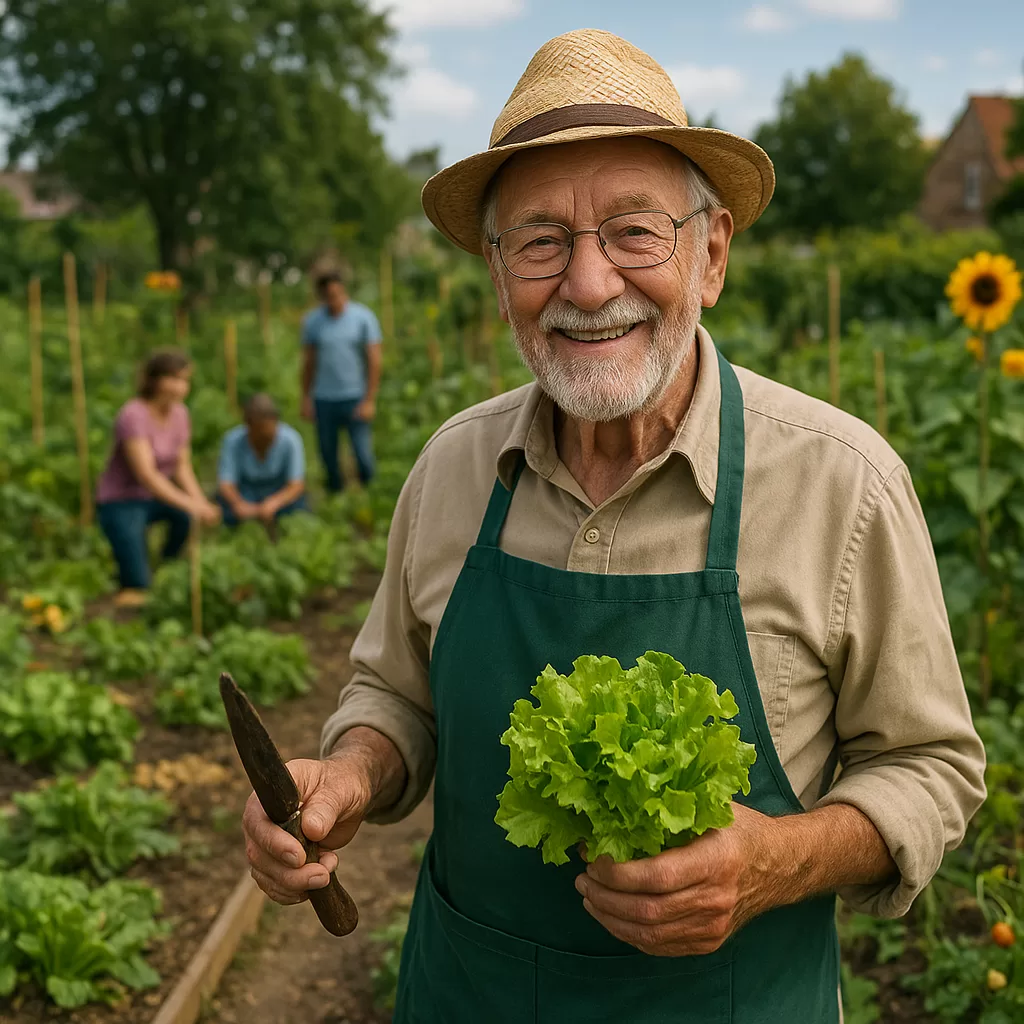

# Reviving Roots: The Story of an Elderly Gardener and the Community Garden Revival
In the heart of a once lively neighborhood stood an abandoned community garden, a place that had long succumbed to neglect. Overgrown weeds choked the soil, broken garden beds lay scattered, and the air felt heavy with forgotten memories. This is the practical and emotional story of how one elderly gardener’s passion and perseverance brought new life to this garden, transforming the neighborhood in the process.
The Garden’s Starting Point: A Forgotten Oasis
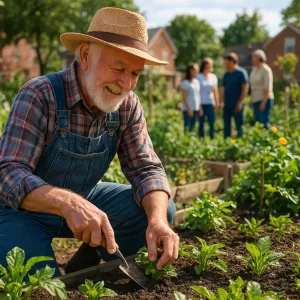
When Margaret, an 78-year-old retired teacher with a lifelong love for plants, first visited the garden, the sight was disheartening. Tall, unruly weeds dominated every corner. Wooden raised beds were splintered and overturned. The small greenhouse was covered in cracked glass, and the paths were littered with debris. The space that was once a neighborhood hub for growing fresh vegetables and flowers had become a symbol of abandonment.
Margaret saw potential beyond the decay. The soil beneath the weeds was rich, and the space was large enough to accommodate many gardeners. Most importantly, she believed this garden could reconnect residents and revive a sense of community pride.
Step-by-Step Restoration: From Chaos to Bloom
Margaret’s approach to restoring the garden was methodical and infused with warmth:
1. Cleaning and Clearing
The first months were dedicated to clearing the space. Margaret enlisted a few neighbors willing to help:
– Pulling out deep-rooted weeds like thistles and bindweed
– Repairing raised beds with donated lumber
– Clearing debris and leveling pathways
– Fixing the greenhouse’s broken glass panels
This phase was labor-intensive but laid the necessary groundwork for planting.
2. Organizing Volunteers and Building Momentum
Recognizing the importance of community involvement, Margaret organized weekly “garden workdays.” Flyers went up in local shops and the community center, inviting neighbors to join in regardless of experience. Word spread quickly, and soon, children, teenagers, adults, and seniors gathered to help.
Margaret also partnered with the local nursery to acquire seeds and seedlings, many at discounted rates, reinforcing her practical approach to keeping costs low while maximizing output.
3. Selecting and Planting: Flowers and Food
Margaret emphasized a blend of beauty and utility. She chose plants that would thrive locally and appeal to various tastes:
– Spring: Tulips and daffodils to welcome the season with color
– Summer: Tomatoes, cucumbers, and zucchini planted in raised beds for accessible harvesting
– Fall: Pumpkins and kale to sustain harvest into cooler months
– Year-round: Perennial herbs such as rosemary, thyme, and mint around the garden edges
She also incorporated pollinator-friendly plants like lavender and sunflowers to encourage bees and butterflies.
Seasonal Cycles and Community Benefits
As the seasons turned, the garden underwent a remarkable transformation visible to all:
– Spring: Bursts of color greeted early volunteers with blooming daffodils alongside tender shoots of lettuce and peas.
– Summer: The garden became a vibrant mix of green foliage and ripening vegetables. Children learned to harvest tomatoes, while seniors exchanged recipes.
– Fall: Colorful pumpkins decorated the garden beds and community members celebrated with a harvest festival, sharing home-cooked meals.
– Winter: Evergreen plants and hardy herbs provided greenery, reminding everyone of the garden’s resilience year-round.
The garden evolved not simply into a source of fresh produce but a social hub.
The Social Impact: Growing Together
Margaret’s garden project blossomed beyond plants. It became a catalyst for neighborly connection:
– Neighbors Meeting: People who had never spoken before exchanged greetings, advice, and stories while working side by side.
– Sharing Harvests: Baskets of surplus vegetables and flowers were shared with elderly residents and local shelters.
– Skill Exchange: Gardening novices learned from experienced horticulturists, and children developed an appreciation for nature.
– Mutual Support: The garden sparked other neighborhood initiatives, including a tool-sharing library and community potlucks.
Margaret’s garden restored not only the soil but also a sense of belonging and mutual care in the neighborhood.
Conclusion: A Living Legacy of Growth
From overgrown weeds and broken beds to flourishing flowers and bountiful crops, Margaret’s dedication to reviving the abandoned community garden enriched lives in countless ways. This practical and emotional journey reminds us how one person’s passion and hard work can transform a space — and a community.
The garden stands today as a thriving symbol of hope, connection, and growth, nurtured by hands of all ages and backgrounds, proving that when we come together to cultivate the earth, we also cultivate friendships, resilience, and joy.


