

# How to Grow a Small Backyard or Balcony Vegetable Garden for Beginners
Starting a vegetable garden, whether in a small backyard or on a balcony, is a rewarding project that brings fresh produce right to your doorstep. Gardening doesn’t have to be complicated or require a large space. Even beginners with limited area can grow thriving vegetables by following practical, easy-to-follow steps. This guide will walk you through the essentials, common mistakes to avoid, and seasonal tips to help your garden flourish.
Why Grow a Small Vegetable Garden?
 Growing your own vegetables offers numerous benefits, including:
- Freshness: Pick vegetables at their peak flavor.
- Health: Control over pesticides and chemicals.
- Sustainability: Reduce your carbon footprint by cutting transport.
- Satisfaction: Enjoy the joy of nurturing plants and eating what you grow.
Getting Started: Planning Your Garden
Choose the Right Location
For a successful small vegetable garden, location is key:
- Sunlight: Most vegetable plants need 6-8 hours of direct sunlight daily.
- Accessibility: Place your garden where you will see and tend it regularly.
- Protection: Avoid windy spots or areas near trees that compete for nutrients.
Select Suitable Containers and Soil
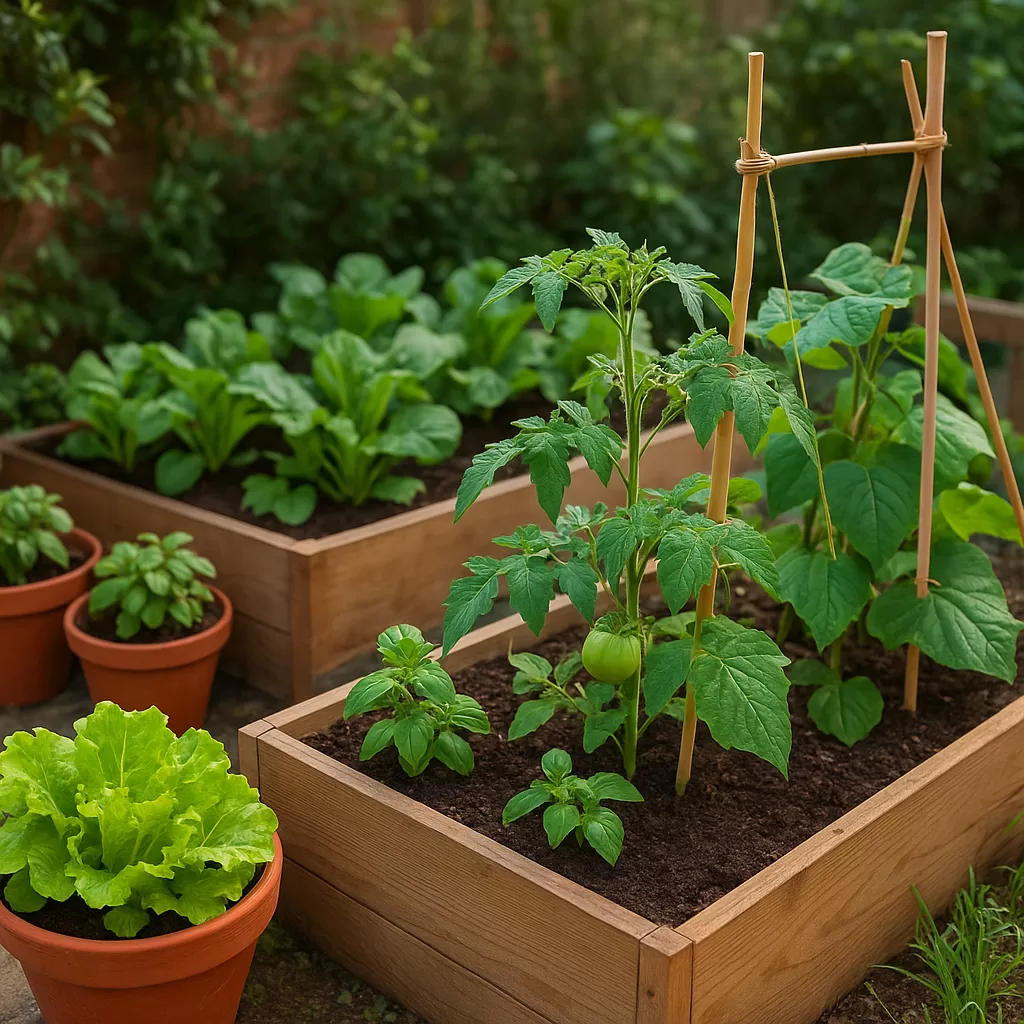
If you’re using a balcony or limited space without garden beds:
- Containers: Use pots, wooden boxes, or grow bags with good drainage.
- Soil: Invest in high-quality potting mix rich in organic matter.
- Size: Bigger containers allow for larger root systems and better growth.
Pick Easy Vegetables for Beginners
Start with fast-growing, low-maintenance vegetables such as:
- Lettuce and spinach: Leafy greens that grow quickly.
- Radishes: Mature in 3-4 weeks.
- Tomatoes (cherry varieties): Compact and productive.
- Herbs: Basil, parsley, and chives are simple and useful.
Step-by-Step Guide to Growing Your Small Vegetable Garden
1. Prepare Your Containers and Soil
- Fill containers with fresh potting mix.
- Add compost or organic fertilizer to enrich the soil.
- Ensure containers have drainage holes to prevent waterlogging.
2. Plant Seeds or Seedlings
- Follow seed packet instructions for planting depth and spacing.
- For seedlings, dig a hole slightly larger than the root ball.
- Water gently after planting and keep soil moist but not soggy.
3. Water Consistently
- Water early in the morning to reduce evaporation.
- Check soil moisture regularly—vegetables prefer evenly moist soil.
- Avoid overwatering to prevent root rot.
4. Provide Support if Needed
- Use stakes or cages for plants like tomatoes or climbing beans.
- This keeps plants upright and promotes healthy growth.
5. Monitor and Maintain
- Remove weeds that compete for nutrients.
- Check for pests regularly and remove them by hand or use natural remedies.
- Prune crowded or yellowing leaves to improve air circulation.
Common Mistakes Beginners Make (and How to Avoid Them)
1. Overwatering or Underwatering
- Both can stress plants; use your finger to test soil moisture 1 inch below the surface.
- Water only when the topsoil feels dry.
2. Choosing the Wrong Plants for the Season
- Planting summer vegetables in late fall won’t yield good results.
- Check your local climate and seasonal planting guides before starting.
3. Ignoring Sunlight Needs
- Placing shade-loving plants in full sun or sun-loving plants in shade hinders growth.
- Observe your space to understand how sunlight moves during the day.
4. Neglecting Soil Quality
- Reusing old soil without replenishing nutrients can lead to poor growth.
- Regularly add compost or fertilizer to maintain soil health.
Seasonal Tips for Small Vegetable Gardens
Spring
- Start seeds indoors 6-8 weeks before last frost date.
- Plant cool-weather crops such as peas, broccoli, and lettuce.
- Gradually introduce seedlings outside to harden them off.
Summer
- Focus on heat-loving crops like tomatoes, peppers, and eggplants.
- Mulch around plants to conserve moisture and suppress weeds.
- Water deeply but less frequently to encourage strong roots.
Fall
- Plant fast-maturing crops like radishes, kale, and spinach for a late harvest.
- Clear out summer plants to prevent disease buildup.
- Add compost to prepare soil for the next season.
Winter
- In mild climates, consider growing cold-hardy crops in containers.
- Use frost covers or bring pots indoors during cold snaps.
- Plan next year's garden and order seeds.
Bonus Tips for Success
- Keep a gardening journal: Track planting dates, watering schedules, and results.
- Rotate crops: Change plant locations yearly to avoid soil depletion.
- Start small: Focus on a few plants at first to avoid overwhelm.
Conclusion
Growing a small backyard or balcony vegetable garden is entirely achievable—even for beginners. By carefully selecting a sunny spot, using the right containers and soil, planting easy vegetables, and avoiding common mistakes, you can enjoy fresh, homegrown produce all year round. Remember to adjust your gardening practices to the seasons, stay consistent, and most importantly, have fun nurturing your green space.
Start your small vegetable garden today and experience the delight of harvesting your very own food!
---
Love this guide? Share it with your fellow gardening enthusiasts and help grow a greener, healthier community!
Easy Steps to Grow a Small Backyard or Balcony Vegetable Garden
Ready to enjoy fresh, homegrown produce without needing a huge space? This guide to growing a small vegetable garden offers easy, beginner-friendly steps to help you cultivate thriving veggies right in your backyard or balcony.

Olivia Bennett
Journalist
•
5 min read
Olivia Bennett
Journalist
•
5 min
0
 Growing your own vegetables offers numerous benefits, including:
- Freshness: Pick vegetables at their peak flavor.
- Health: Control over pesticides and chemicals.
- Sustainability: Reduce your carbon footprint by cutting transport.
- Satisfaction: Enjoy the joy of nurturing plants and eating what you grow.
🏷️ Tags:
#backyard gardening
#balcony gardening
#beginner vegetable garden
#container gardening
#easy vegetables to grow
#growing vegetables in small spaces
#homegrown vegetables
#small vegetable garden
#sustainable gardening
#urban gardening

Olivia Bennett is a gardening writer and lifestyle journalist for 10GardenTips.com, covering home gardening, plants, landscaping, seasonal care, and practical outdoor projects.She focuses on useful, easy-to-understand advice for gardeners who want healthier plants and better results without overly complicated techniques.At 10GardenTips.com, Olivia writes about plant care, garden maintenance, growing tips, seasonal tasks, and simple solutions to common gardening problems.


