

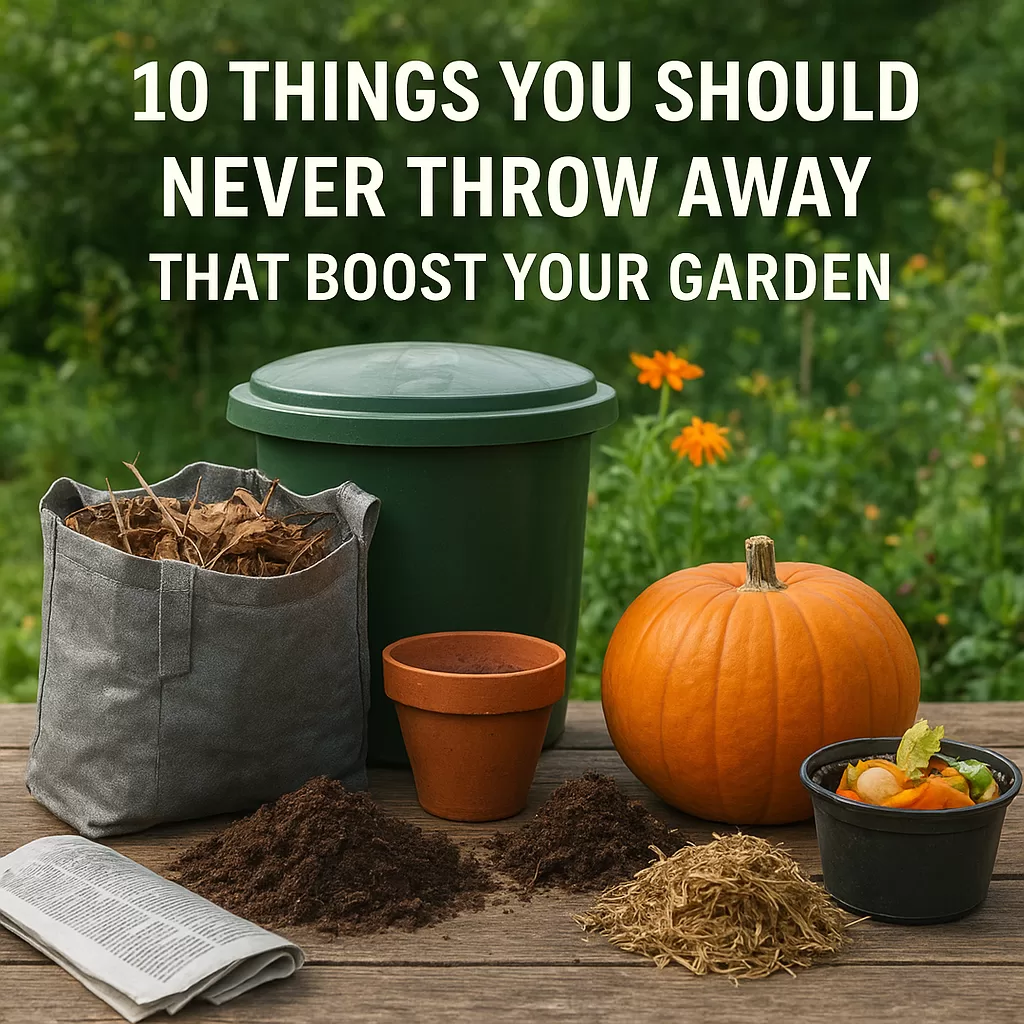

10 Things You Should Never Throw Away (They’re Gold for Your Garden)
Gardening enthusiasts know that some everyday items, often considered trash, can be real treasures in the garden. Instead of tossing these materials, repurpose them to improve soil health, deter pests, or support plant growth. This sustainable approach not only reduces waste but also creates a thriving garden ecosystem. Here are 10 things you should never throw away because they’re gold for your garden.
1. Coffee Grounds
Used coffee grounds are packed with nitrogen, an essential nutrient for plants. They improve soil structure and help retain moisture. Sprinkle the grounds around acid-loving plants like azaleas and blueberries, or add them to your compost pile.
- Boosts soil fertility
- Deters slugs and snails
- Attracts earthworms
2. Eggshells
Crushed eggshells add valuable calcium to your soil, which strengthens plant cell walls and prevents blossom end rot in tomatoes and peppers. They also make a natural pest barrier against slugs and cutworms.
- Provides calcium and trace minerals
- Improves soil aeration
- Acts as a pest deterrent
3. Banana Peels
Banana peels are rich in potassium and phosphorus, critical for flowering and fruiting plants. Cut them into small pieces and bury them near your plants or soak in water to make a nutrient-rich fertilizer tea.
- Enhances flowering and fruit development
- Attracts beneficial microbes
- Breaks down quickly in soil
4. Onion and Garlic Skins
Rather than throwing away onion and garlic skins, save them to make a natural pest repellent spray. Boil skins in water to extract their potent compounds, then spray on plants to deter aphids and other pests.
- Natural pesticide
- Adds trace nutrients to soil when composted
- Eco-friendly alternative to chemicals
5. Tea Bags
Used tea bags, especially those without synthetic materials, can be composted or added directly to garden soil. They improve organic content and provide tannins that lower soil pH, ideal for acid-loving plants.
- Increases organic matter in soil
- Can acidify soil slightly
- Attracts beneficial microbes
6. Vegetable Scraps and Peelings
Vegetable scraps from the kitchen are perfect for composting. Avoid putting them in the trash, and instead turn them into nutrient-rich compost that feeds your plants naturally.
- Reduces waste and landfill contribution
- Supplies macro- and micronutrients
- Enhances soil structure and moisture retention
7. Dry Leaves
Collect dry, fallen leaves to use as mulch or compost material. Leaves help moderate soil temperature, suppress weeds, and slowly release nutrients as they decompose.
- Prevents weed growth
- Conserves soil moisture
- Adds organic matter and nutrients
8. Cardboard and Newspaper
Plain cardboard and black-and-white newspaper are excellent for weed control and composting. Lay strips around plants or under mulch to block sunlight, preventing weed seeds from germinating.
- Eco-friendly weed barrier
- Helps retain soil moisture
- Adds carbon to compost
9. Wood Ash
If you have a fireplace or fire pit, save the wood ash. It contains potassium and lime, which can balance acidic soils and provide essential minerals.
- Raises soil pH (use sparingly)
- Adds potassium, calcium, and trace elements
- Discourages pests like slugs
10. Hair Clippings
Human or pet hair is an excellent source of nitrogen for your compost bin. The slow breakdown of hair supplies a steady nutrient release, making it a valuable garden resource.
- Rich in nitrogen
- Improves compost richness
- Helps microorganisms thrive
Why Repurposing Matters in Gardening
By reusing these items instead of throwing them away, you reduce waste and create a healthier garden environment. Many of these materials improve soil structure, provide natural pest control, and support sustainable gardening practices.
Benefits of Using Household “Waste” in Your Garden:
- Cost-effective: Saves money on fertilizers and pest control products.
- Eco-friendly: Lowers your carbon footprint by recycling organic waste.
- Healthier plants: Natural nutrients promote strong growth and yield.
- Reduced landfill waste: Decreases the amount of trash sent to landfills.
Final Thoughts
Next time you go to throw something in the trash, consider its potential value in your garden. Items like coffee grounds, eggshells, banana peels, and more are gold for your garden—transforming everyday waste into gardening gold. Integrating these materials into your garden routine nurtures plants, supports the ecosystem, and moves you closer to a sustainable lifestyle.
Start collecting and repurposing these 10 things today to unlock the full potential of your garden while helping the environment!


