

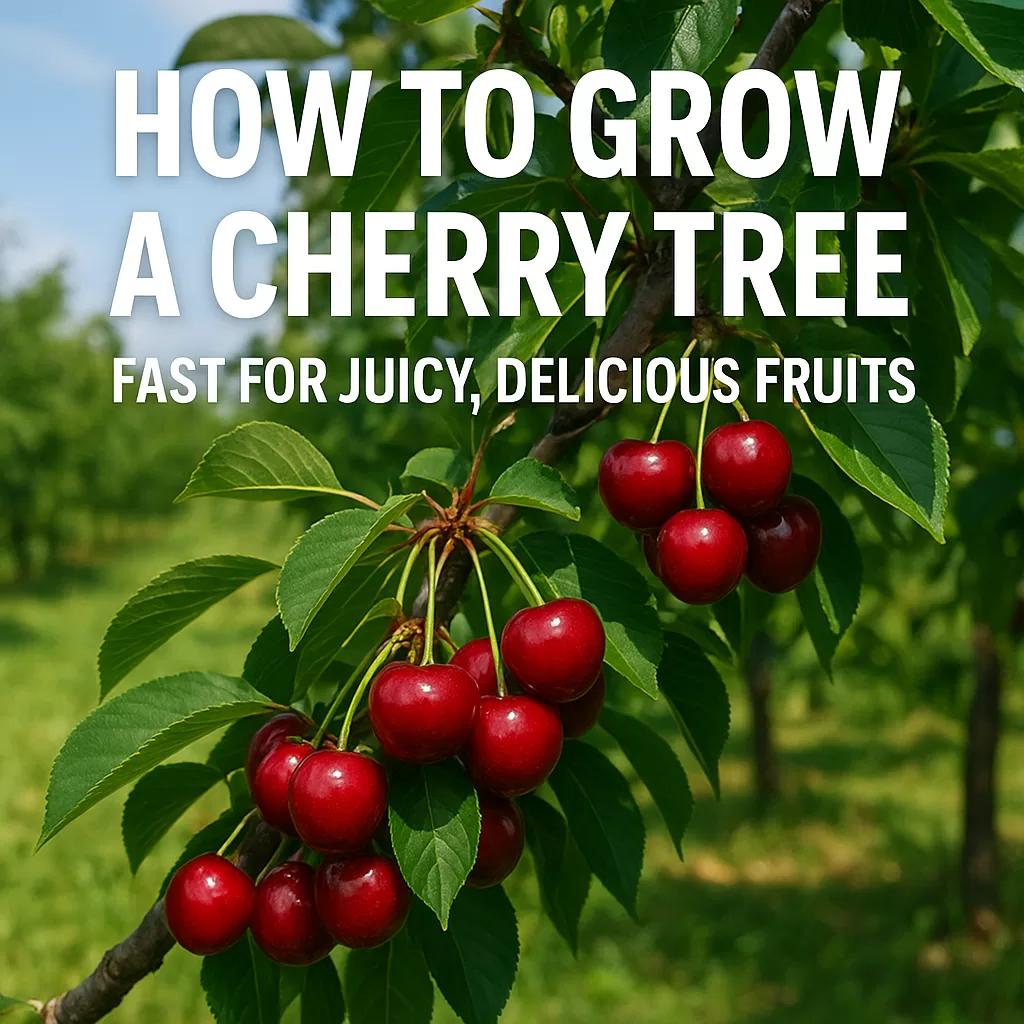

How to Grow a Cherry Tree in No Time: You Will Have Very Juicy Fruits
Growing a cherry tree in your garden can be a rewarding experience, especially when you get to enjoy fresh, juicy cherries straight from the branch. While cherry trees typically take some time to mature, with the right techniques and care, you can speed up the process and enjoy sweet, succulent fruits in no time. This guide will walk you through the essential steps to grow a cherry tree that produces juicy fruits quickly and effectively.
Choosing the Right Cherry Tree Variety
The first step in growing a cherry tree quickly is selecting the right variety. Different types of cherry trees have varying growth rates and fruiting times.
Sweet vs. Tart Cherry Trees
- Sweet cherries (such as Bing or Rainier) are great for fresh eating but may take a bit longer to mature.
- Tart cherries (like Montmorency) tend to be hardier and often produce fruit earlier, making them ideal if you want juicy fruits sooner.
Dwarf or Semi-Dwarf Trees
Opt for dwarf or semi-dwarf cherry trees. These varieties grow faster, take up less space, and start producing fruit earlier than their full-sized counterparts.
Planting Your Cherry Tree Properly
Proper planting is crucial for the fast and healthy growth of your cherry tree.
When to Plant
The best time to plant cherry trees is in early spring or late fall when the tree is dormant. This allows the roots to establish before the growing season.
Location & Soil
Select a spot with:
- Full sun (at least 6-8 hours daily)
- Well-draining soil with a pH between 6.0 and 7.0
- Good air circulation to reduce disease risk
Planting Steps
- Dig a hole twice as wide and equal in depth to the root ball.
- Gently loosen roots before planting.
- Place the tree at the same depth it was growing in the nursery.
- Backfill with soil and water thoroughly.
- Apply mulch to retain moisture and suppress weeds.
Accelerating Growth and Fruiting
To encourage your cherry tree to grow rapidly and produce juicy fruits, follow these tips:
Use High-Quality Fertilizer
Apply a balanced fertilizer in early spring, such as 10-10-10 NPK, to support healthy root and foliage development. Avoid over-fertilizing, which can lead to excessive leaf growth without fruit.
Prune Smartly
Pruning encourages new growth and helps focus the tree’s energy on fruit production.
- Prune during late winter or early spring before buds swell.
- Remove dead, diseased, or crossing branches.
- Thin out dense areas to allow sunlight and air penetration.
Watering Regularly
Cherry trees need consistent watering, especially during dry spells:
- Water deeply once a week.
- Avoid overwatering as cherries do not like soggy roots.
Use Growth Enhancers
Applying mulch and compost around the base of the tree enriches the soil and maintains moisture. Some gardeners also recommend foliar sprays with seaweed extracts or other natural growth stimulants.
Protecting Your Cherry Tree for Better Yields
Pests, diseases, and harsh weather can slow down growth and reduce fruit quality. Taking preventive measures ensures your tree stays healthy and productive.
Common Pests and How to Control Them
- Cherry fruit flies: Use yellow sticky traps and remove fallen fruit.
- Aphids: Spray with insecticidal soap or neem oil.
- Birds: Use netting to protect ripening fruit.
Disease Prevention
- Practice good sanitation by cleaning fallen leaves and fruit.
- Apply fungicides if needed to handle issues like brown rot or powdery mildew.
- Ensure adequate spacing and pruning to improve air circulation.
Winter Protection
Young cherry trees benefit from tree guards or wrapping trunks to prevent sunscald and protect from rodent damage during winter.
Harvesting Your Juicy Cherries
In favorable conditions, cherry trees can start producing fruit within 2 to 3 years, especially if you use dwarf varieties and follow the growth tips mentioned above.
Signs of Ripe Cherries
- Color: Cherries turn a deep red, yellow, or black depending on variety.
- Firmness: They should be firm but yield slightly to gentle pressure.
- Taste: Try a few fruits—ripe cherries are juicy and sweet or tart according to their type.
Final Thoughts
Growing a cherry tree doesn’t have to be a long wait for delicious fruit. With the right variety, proper planting, attentive care, and protective measures, you can enjoy very juicy cherries in no time. Follow these steps, and soon your garden will be bursting with fresh cherries ready to enjoy, bake, or share with family and friends.
Happy cherry growing! Remember, patience combined with good care is the key to a fruitful harvest.


