

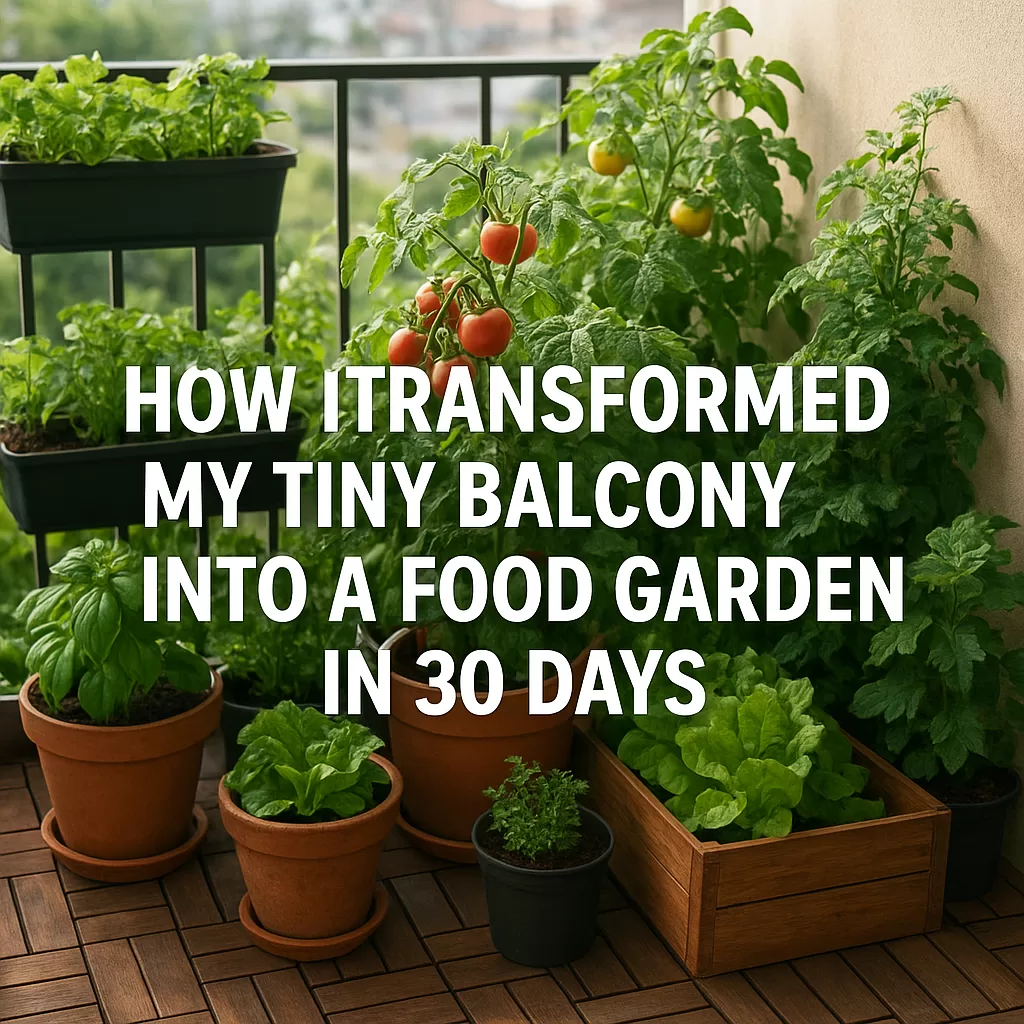

I Turned My Tiny Balcony Into a Food Garden – Here’s What Grew in Just 30 Days
Transforming small spaces into lush, productive gardens has become a popular trend, especially for those living in apartments or urban areas. Inspired by this, I decided to turn my tiny balcony into a food garden. With limited space and a desire to grow fresh ingredients for my meals, I embarked on this journey with excitement and curiosity. Here’s what grew in just 30 days, and what I learned along the way.
Preparing My Tiny Balcony for a Food Garden
Before planting a single seed, I had to prepare the balcony for optimal growth. This involved a few key steps:
- Assessing sunlight: My balcony receives about 5-6 hours of direct sunlight daily, perfect for many edible plants.
- Choosing containers: I bought a variety of pots, including hanging baskets and small rectangular containers to maximize space.
- Selecting soil: I used high-quality potting mix with good drainage to ensure my plants had a healthy start.
- Planning layout: By using vertical space with shelves and hooks for hanging pots, I was able to squeeze in more plants than expected.
What I Chose to Grow
Given the space and light conditions, I opted for quick-growing, compact plants that could thrive in containers:
- Herbs: Basil, parsley, mint, and chives.
- Vegetables: Cherry tomatoes, radishes, and baby lettuce.
- Fruits: Strawberries in hanging baskets.
- Companion plants: Marigolds to deter pests naturally.
Week 1–2: Germination and Early Growth
The first two weeks were all about patience and care. Seeds germinated at different rates:
- Basil and radishes popped up within 5 days.
- Lettuce and cherry tomatoes started emerging around day 10.
- Strawberries, which were young plants rather than seeds, began settling into their new pots.
During this period, I watered carefully to keep the soil moist but not soggy and ensured the seedlings had enough sunlight every day. It was exciting to see the little green sprouts breaking through the soil, promising a bountiful harvest ahead.
Week 3: Growing Strong and Healthy
By the third week, my tiny balcony food garden was visibly flourishing:
- The basil leaves were lush and aromatic.
- Radishes developed their distinctive round leaves, indicating an upcoming harvest.
- Lettuce leaves were tender and growing nicely – perfect for fresh salads.
- Cherry tomato plants started forming small flower buds, an exciting sign that fruiting was near.
- Mint and parsley were spreading quickly, filling in gaps in the pots.
This stage required me to start thinking about plant maintenance, such as pinching off dead leaves, ensuring proper air circulation, and gently shaking soil to prevent compaction.
Week 4: Harvest Time Approaches
At the end of 30 days, some plants were ready for their first harvest, while others showed promising signs of productivity.
What I Harvested
- Radishes: Crisp and flavorful, they were the fastest to mature on my balcony.
- Herbs: I clipped fresh basil and mint leaves to use in my cooking.
- Lettuce: Baby leaves were perfect for salads.
What Was Still Growing
- Cherry tomatoes: Tiny green tomatoes had formed but needed more time to ripen.
- Strawberries: Blossoms were visible, signaling fruits soon to come.
- Parsley and chives: Growing steadily and would be ready for harvest soon.
Tips for Turning Your Balcony Into a Food Garden
If you’re inspired to start your own tiny balcony food garden, here are some tips based on my experience:
- Start small: Choose a few easy-to-grow plants and gradually expand.
- Use vertical space: Shelves, hanging baskets, and wall planters maximize limited areas.
- Choose appropriate plants: Focus on compact, fast-growing veggies and herbs.
- Water consistently: Container plants dry out faster, so monitor moisture daily.
- Fertilize lightly: Use organic liquid fertilizers every 2-3 weeks to support growth.
- Watch for pests: Companion plants like marigolds can help, but inspect regularly.
- Enjoy the process: Gardening is both productive and rewarding, especially when you get to eat what you grow!
Final Thoughts
Turning my tiny balcony into a food garden was an incredibly fulfilling project. In just 30 days, I went from empty pots to a vibrant green space filled with edible plants. The joy of snipping fresh herbs and harvesting crunchy radishes right outside my door has added a new dimension to my cooking and lifestyle.
No matter how small your space is, a food garden on your balcony can boost your connection to nature, improve your diet, and bring a splash of beauty to your home. So, grab some pots, seeds, and soil—your balcony food garden awaits!


