

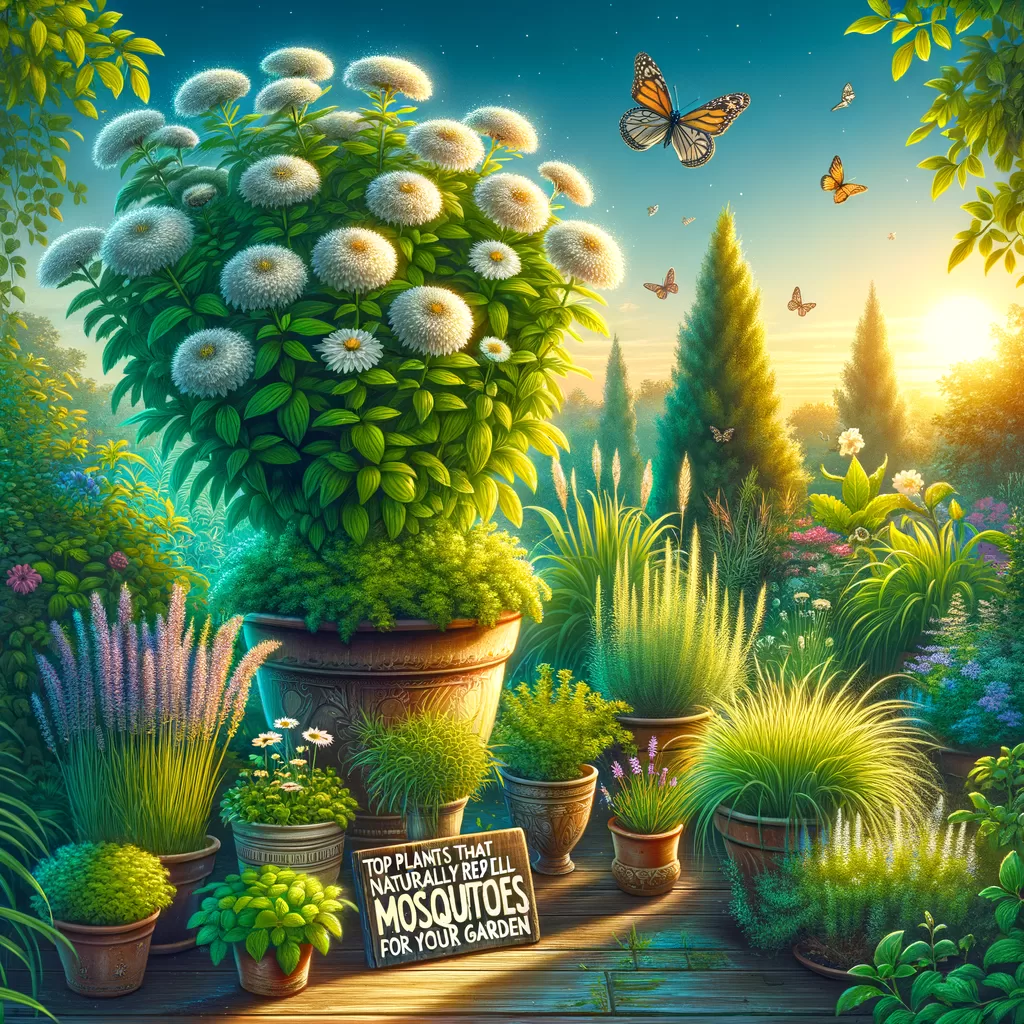

Plants That Repel Mosquitoes 🌿
As the warm months arrive, so do mosquitoes—those tiny, buzzing insects that can quickly turn a pleasant evening outside into an itchy nightmare. Fortunately, you don’t need to rely solely on chemical repellents to keep these pests at bay. Certain plants naturally repel mosquitoes, making them an excellent addition to your garden, patio, or windowsill.
In this article, we’ll explore plants that repel mosquitoes, how they work, and the best ways to use them to enjoy a mosquito-free outdoor space.
Why Use Plants to Repel Mosquitoes?

Mosquitoes are attracted to carbon dioxide, body heat, and certain scents produced by humans. Repellent plants emit fragrances or oils that mosquitoes find unpleasant, disrupting their ability to locate hosts. Using plants to repel mosquitoes offers several benefits:
- Eco-friendly and non-toxic: No harmful chemicals involved.
- Dual-purpose: Adds beauty and fragrance to your garden.
- Cost-effective: Once planted, they need minimal maintenance.
- Safe for children and pets: Unlike some chemical repellents.
Now, let’s delve into some of the most effective plants that repel mosquitoes.
Top Plants That Repel Mosquitoes
1. Citronella (Citronella officinalis)
Perhaps the most famous mosquito-repellent plant, citronella produces a strong lemon-like fragrance that masks human scents. You’ll find citronella oil in many commercial mosquito repellents. Grow it in pots or garden beds with full sun and well-drained soil.
- Care tips: Requires regular watering; trim to encourage growth.
- Uses: Crush leaves to release oils or burn citronella candles made from the plant.
2. Lavender (Lavandula spp.)
Lavender is well-loved for its soothing aroma and beautiful purple flowers. Mosquitoes dislike its sweet scent, making lavender a great choice for bordering patios or walkways.
- Care tips: Prefers full sun and slightly dry, well-drained soil.
- Uses: Place pots near seating areas or harvest flowers for dried arrangements.
3. Basil (Ocimum basilicum)
Not just a flavorful herb, basil also emits a scent that mosquitoes avoid. Sweet basil and lemon basil varieties are particularly effective. It’s a handy addition to herb gardens and kitchens.
- Care tips: Needs warm weather, regular watering, and sunlight.
- Uses: Crush leaves to release aroma or plant near windows and doors.
4. Marigolds (Tagetes spp.)
Marigolds contain pyrethrum, a compound used in many insect repellents. Their bright blooms also add a pop of color to your garden.
- Care tips: Thrive in sunny spots with well-drained soil.
- Uses: Plant around vegetable gardens or seating areas.
5. Catnip (Nepeta cataria)
Studies show catnip can be even more effective than DEET in repelling mosquitoes. It produces a strong smell that mosquitoes avoid, but keep in mind it attracts cats!
- Care tips: Easy to grow, tolerates poor soil, prefers sun or partial shade.
- Uses: Can be used fresh or dried around the house.
6. Lemon Balm (Melissa officinalis)
Lemon balm exudes a lemony scent that is unpleasant to mosquitoes. It’s also a hardy herb that grows quickly and can spread easily, so plant with care.
- Care tips: Grows well in partial shade and moist soil.
- Uses: Use crushed leaves near windows or seating areas.
7. Rosemary (Rosmarinus officinalis)
Known for its culinary uses, rosemary also repels mosquitoes thanks to its strong pine-like scent. It’s perfect for container gardens or herb pots.
- Care tips: Prefers full sun and well-drained soil.
- Uses: Place pots around decks and patios or use fresh sprigs.
How to Use Mosquito-Repellent Plants Effectively
Simply planting these plants isn’t always enough. Here are strategies to maximize their mosquito-repellent properties:
Group Plants Near High-Traffic Areas
Place pots or plant beds near patios, doorways, windows, and other outdoor areas where you spend time. This creates a natural barrier.
Crush Leaves to Release Oils
Gently rub or crush leaves before sitting outdoors to release stronger scents that deter mosquitoes.
Combine Multiple Plants
Using a variety of plants increases overall effectiveness and creates a fragrant, lush garden space.
Use Container Gardens
For those with limited space, growing plants in containers allows you to move them around as needed.
Maintain Healthy Plants
Keep your plants well-watered and trimmed to maintain vibrant fragrances.
Additional Tips to Reduce Mosquitoes Naturally
- Eliminate standing water sources where mosquitoes breed.
- Use fans outdoors; mosquitoes struggle to fly in the breeze.
- Install fine mesh screens on windows and doors.
- Use natural oils such as citronella or eucalyptus for added protection.
Final Thoughts
Using plants that repel mosquitoes is a safe, sustainable, and attractive way to enjoy your outdoor spaces without the nuisance of itchy bites. From fragrant herbs like basil and rosemary to colorful marigolds and potent catnip, Mother Nature offers a variety of solutions to keep mosquitoes away.
Start with a few of these plants in your garden, patio, or balcony, and watch how they naturally create a more pleasant and pest-free environment. Your skin—and your summer evenings—will thank you!
Happy gardening and mosquito-free living!


