

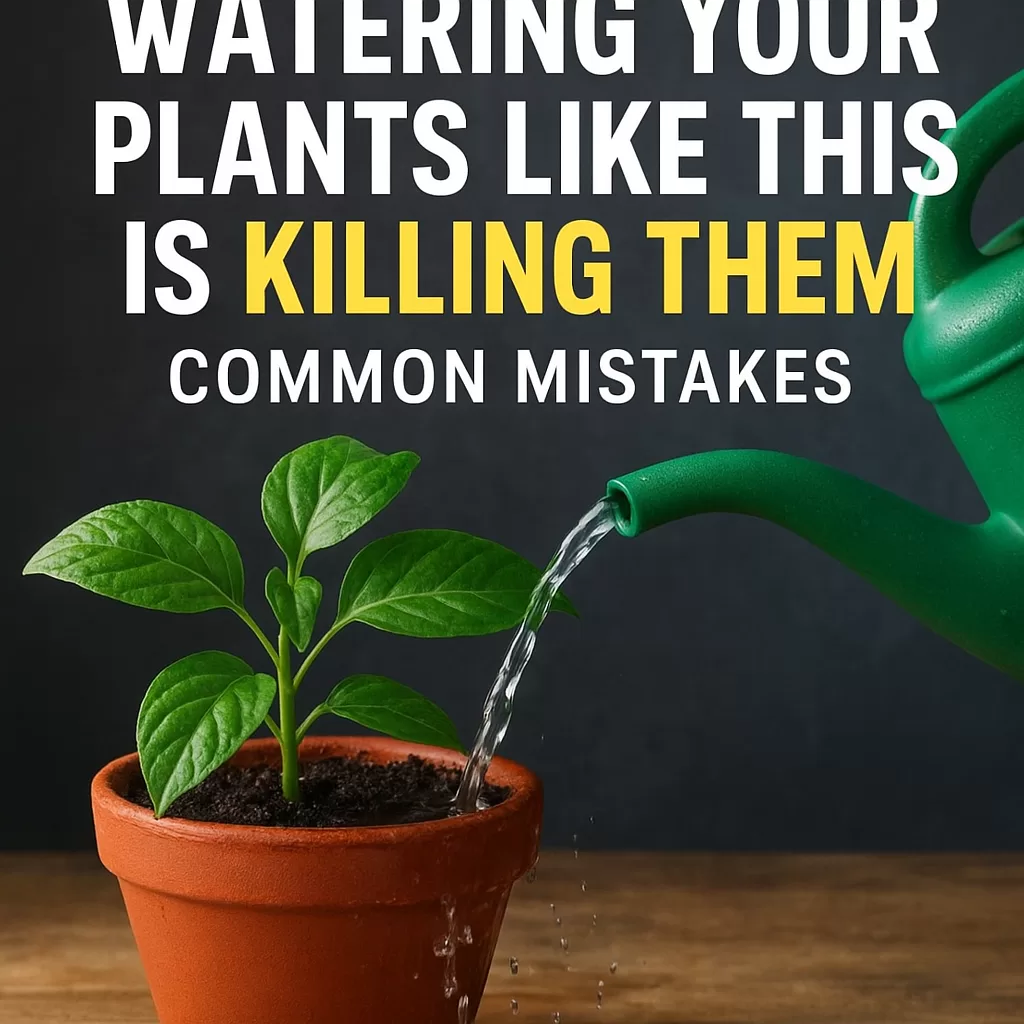

Watering Your Plants Like This — It’s Killing Them (Most People Do It Wrong)
Keeping your plants healthy and vibrant starts with one fundamental habit: watering. However, many plant enthusiasts unknowingly harm their plants by watering them incorrectly. The good news is that with a few simple adjustments, you can prevent common watering mistakes and help your plants thrive. In this article, we’ll explore why most people water their plants wrong and how to fix it.
Why Proper Watering Matters
Water is essential for plants—it transports nutrients, supports photosynthesis, and keeps cells turgid. But too much or too little can be disastrous. Overwatering can drown roots and promote disease, while underwatering leads to dryness and wilting. The key is balance and technique.
The Common Mistake: Frequent Light Watering
Most people tend to water their plants lightly every day or every other day, thinking it keeps the soil moist and plants happy. Unfortunately, this approach often backfires.
What Happens With Frequent Light Watering?
- Shallow Roots: Light watering only moistens the top inch or so of soil, encouraging roots to stay near the surface instead of spreading deep.
- Increased Vulnerability: Shallow roots dry out quickly and struggle during heat or drought.
- Poor Nutrient Uptake: Deeper roots access more nutrients and water reserves.
- Potential for Disease: Constantly damp soil on top creates a breeding ground for mold and mildew.
How to Water Your Plants Properly
1. Water Deeply and Infrequently
Instead of daily shallow watering, soak your plants thoroughly but less often. This encourages roots to grow deeper for a more robust, drought-resistant plant.
- Use enough water to moisten the soil 6 to 12 inches deep.
- Wait until the top 1-2 inches of soil are dry before watering again.
- For potted plants, ensure water flows from drainage holes.
2. Check Soil Moisture Before Watering
Instead of scheduling watering based on the calendar, use your finger or a moisture meter:
- Insert your finger 1-2 inches into the soil.
- If it feels dry, it’s time to water.
- If still moist, wait another day or two.
3. Water Early in the Day
Watering in the morning gives plants time to absorb moisture before the heat of the day, reducing evaporation:
- Avoid watering in the evening to prevent prolonged dampness and fungal growth.
- Morning watering also boosts photosynthesis efficiency.
4. Focus on the Soil, Not the Leaves
Aim the water directly at the base of the plant rather than spraying leaves:
- Wet leaves can encourage disease and mold.
- Watering the soil ensures roots get the moisture they need.
Additional Tips for Specific Plants
Different plants have varied watering needs, but these general tips help most thrive:
| Plant Type | Watering Frequency | Notes |
|---|---|---|
| Succulents | Every 2-3 weeks | Prefer dry soil between watering |
| Tropical plants | Every 5-7 days | Like consistently moist soil |
| Flowering plants | Every 3-5 days | Water more during blooming |
| Vegetable garden | Every 2-4 days | Keep soil evenly moist |
Signs You Might Be Watering Wrong
Watch for these warning signs to catch watering mistakes early:
- Yellowing leaves: Often caused by overwatering.
- Wilting despite moist soil: Could indicate root rot.
- Dry, crumbly soil: Sign of underwatering.
- Brown leaf tips: Can mean inconsistent watering.
Conclusion
Watering your plants might seem simple, but doing it wrong is a common mistake that can seriously harm your green companions. By watering deeply, checking soil moisture, and timing your watering wisely, you can avoid this pitfall and nurture healthier, stronger plants.
Remember: less frequent, deep watering is better than constant shallow watering. Give your plants the right kind of care, and they’ll reward you with lush growth and vibrant blooms.
Happy gardening!


