


Transforming a Small Backyard into a Productive Vegetable Garden
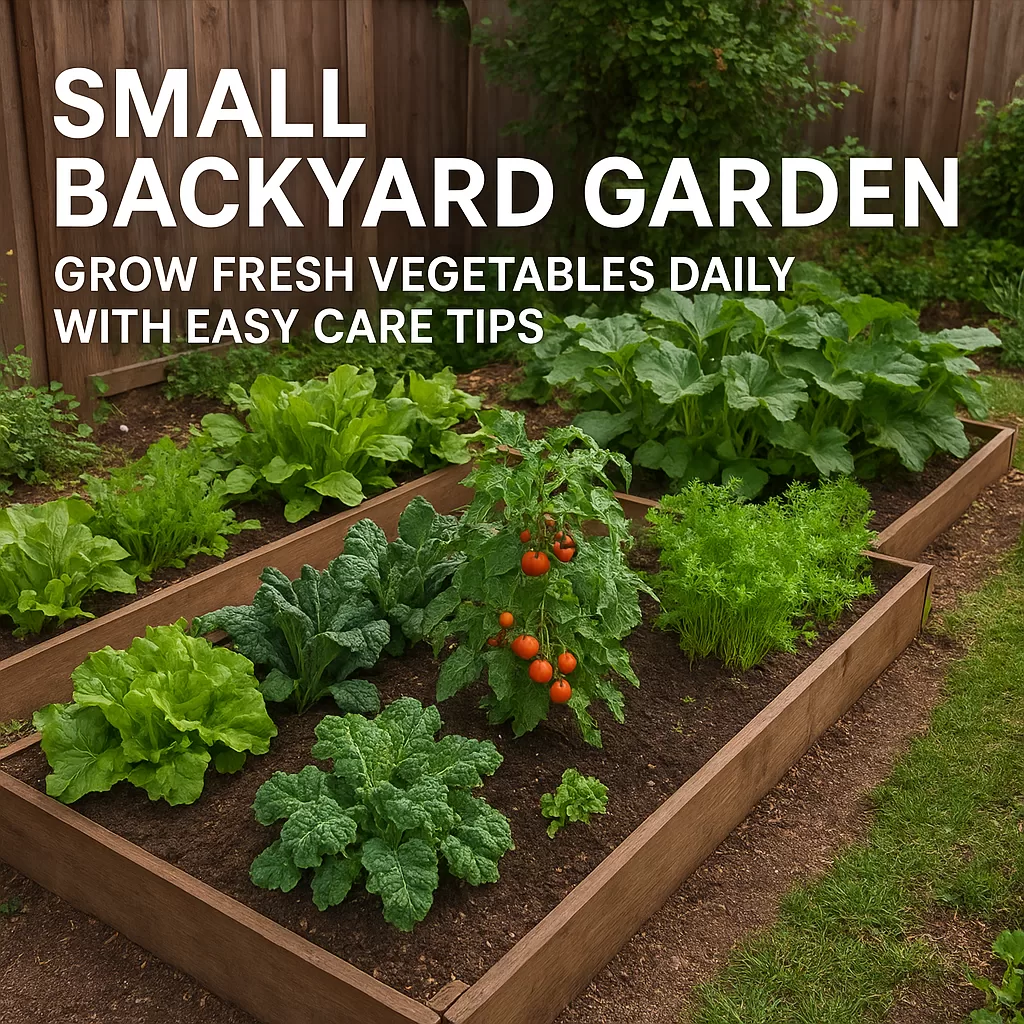
Creating a thriving vegetable garden in a small backyard is both rewarding and practical. With thoughtful planning and consistent care, even limited space can yield a bounty of fresh veggies daily. This post shares a real-life small backyard garden transformation, offering insights into the setup, what was planted, simple care tips, and the visible results obtained over time.
Assessing and Planning Your Small Backyard Garden
Before planting, the first step is to evaluate your backyard’s potential:
- Measure your space: Identify the total area dedicated to gardening.
- Sunlight availability: Most vegetables require 6-8 hours of full sun.
- Soil quality: Test soil drainage and nutrients. Amend with compost if necessary.
- Accessibility: Ensure easy access for watering, harvesting, and maintenance.
For this project, a sunny 10×12-foot patch was allocated. Raised beds were chosen to maximize soil quality and organization.
Setting Up the Garden: Raised Beds and Containers
Raised beds are ideal for small spaces, offering better drainage and soil control. Here’s how the setup unfolded:
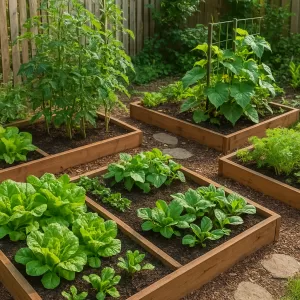
- Three 4×2-foot raised beds: Made from untreated cedar wood for durability.
- Containers: Several large pots placed on the patio for herbs and smaller veggies.
- Pathways: Mulched with straw to minimize weeds and maintain cleanliness.
- Irrigation: A simple drip irrigation system installed to provide consistent moisture.
This setup allowed effective use of space and made day-to-day care manageable.
What’s Planted: A Mix of Fast-Growing and Staple Veggies
To ensure a continuous supply of fresh vegetables, a variety of plants were chosen:
- Leafy greens: Lettuce, spinach, and kale for quick harvests and high yields.
- Root vegetables: Carrots, radishes, and beets, which grow well in raised beds.
- Fruit-bearing plants: Tomatoes, bell peppers, and bush beans for sustained production.
- Herbs: Basil, cilantro, and parsley in containers to complement vegetable crops.
- Companion Plants: Marigolds planted along beds to deter pests naturally.
This selection provided diversity and ensured daily harvesting options throughout the growing seasons.
Simple Care Tips for a Thriving Small Garden
Maintaining a productive garden doesn’t need to be complicated. Key care tips included:
- Consistent watering: The drip system delivered steady moisture without overwatering.
- Regular harvesting: Picking mature vegetables encouraged continuous growth.
- Mulching: Straw mulch conserved moisture and suppressed weeds.
- Fertilizing: Organic compost tea applied every two weeks supported healthy plants.
- Pest management: Companion planting and manual removal kept pests in check without chemicals.
- Rotate crops: Ensured soil nutrients were balanced season after season.
Following this straightforward routine minimized effort and maximized output.
Real Results: Visible Progress Over Time
The small backyard garden quickly showed notable progress:
- First 2 weeks: Seedlings emerged, and early lettuce and radishes were ready for harvest by week 4.
- By month 2: Tomatoes and peppers began flowering, producing fruit steadily.
- Ongoing harvest: Fresh vegetables were picked daily, supplementing meals and reducing grocery bills.
- Healthy plants: No major pest outbreaks or diseases occurred thanks to preventive care.
- Increased yields: The continuous harvest encouraged expanding the garden space the following season.
Photographic records highlighted the garden’s transformation from bare soil to a lush, green space full of life and nourishment.
Conclusion: Small Backyard, Big Rewards
With a planned setup, right plant choices, and simple yet consistent care, a small backyard can be transformed into a productive vegetable garden that provides fresh vegetables daily. Whether you’re limited on space or new to gardening, this approach proves that fresh, homegrown veggies can be within everyone’s reach. Start small, nurture your plants, and enjoy the delicious benefits over time!


