

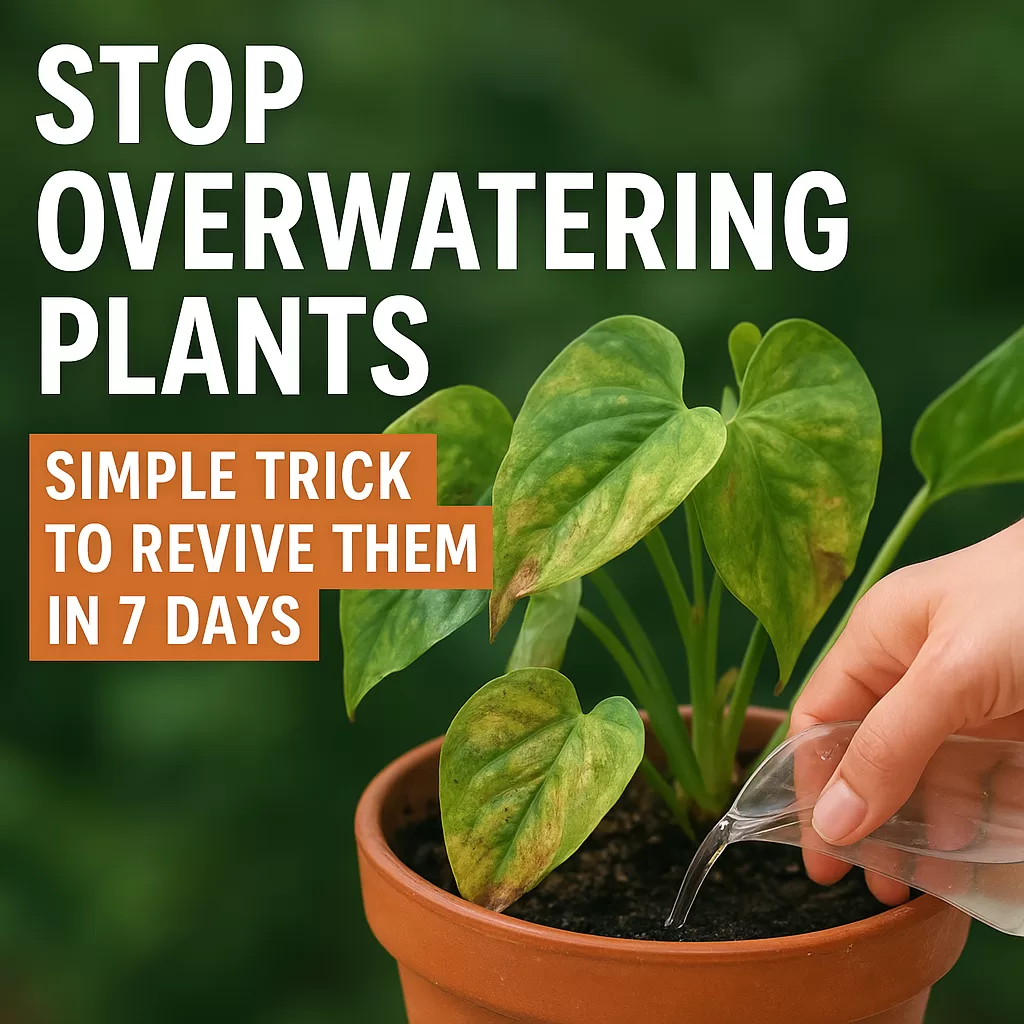

Stop Overwatering Your Plants: The Simple Trick That Saves Dying Plants in 7 Days
Overwatering is one of the most common mistakes plant owners make, often leading to wilting, yellow leaves, and even death of their beloved greenery. Many gardeners, especially beginners, believe that more water equates to healthier plants. However, the truth is quite the opposite—excess water can suffocate roots, encourage root rot, and stunt growth.
If you’ve noticed your plants looking unhealthy despite regular watering, it might be time to stop overwatering. Here’s a simple trick that can revive your dying plants in just 7 days.
Why Overwatering Is Harmful
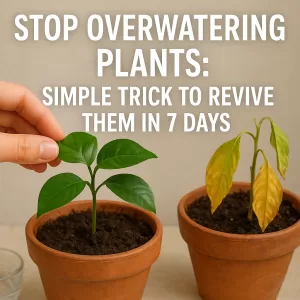
Before diving into the solution, it’s important to understand why overwatering is detrimental:
- Root Suffocation: Roots need oxygen to thrive. When soil is constantly soaked, air pockets disappear, cutting off oxygen supply.
- Root Rot: Excess moisture creates a breeding ground for harmful fungi and bacteria.
- Nutrient Deficiency: Waterlogged soil can leach nutrients away faster than roots can absorb them.
- Stunted Growth: Plants waste energy coping with stress instead of growing.
Signs Your Plant Is Overwatered
Recognizing overwatering early can save your plant. Look out for:
- Yellowing or wilting leaves despite wet soil
- Mushy or blackened roots (if you inspect the roots)
- Foul smell coming from soil
- Soil that stays wet for days after watering
If your plant shows these symptoms, it’s likely suffering from overwatering—not underwatering.
The Simple Trick That Saves Dying Plants in 7 Days
Step 1: Stop Watering Immediately
The first and most crucial step is stop watering your plant altogether. This allows the soil to dry out and the roots to recover.
Step 2: Improve Drainage
Check the pot’s drainage system:
- Ensure drainage holes are not blocked.
- If using a decorative outer pot without holes, remove the plant and place it in a well-draining pot.
- Add a layer of gravel or small stones at the bottom to facilitate water flow.
Step 3: Repot the Plant
If the soil is soggy and smells bad, it’s best to repot:
- Remove the plant gently from its pot.
- Shake off excess wet soil.
- Inspect roots and trim any that are black, mushy, or rotten using sterilized scissors.
- Repot in fresh, dry potting mix appropriate for plant type.
Step 4: Optimize Environment
Place the plant in a spot with good air circulation and indirect sunlight. Too much direct sun can stress a recovering plant, while too little can slow recovery.
Step 5: Monitor and Adjust Watering Schedule
After 7 days of no watering and soil drying out:
- Test soil moisture by inserting your finger 1-2 inches deep.
- Only water when the soil feels dry.
- Use the right amount of water; avoid soaking the soil.
Additional Tips to Prevent Overwatering
- Use well-draining soil: Mix perlite, sand, or orchid bark to improve drainage.
- Choose the right pot: Terra cotta pots naturally wick moisture away.
- Water early in the day: Allows excess moisture to evaporate.
- Use moisture meters: Helpful for beginners to detect when plants need water.
- Understand your plant’s needs: Each species has different watering requirements.
Success Stories: Plants Revived in 7 Days
Many plant owners have experienced the transformative power of this simple trick. For instance:
- A peace lily showing brown tips and yellowing leaves bounced back after removing rotten roots and adjusting watering habits.
- A succulent that was wilting due to soggy soil revived once repotted with well-draining mix and dried out.
- Spider plants, often sensitive to overwatering, regained lush green leaves after a week without water and improved drainage.
Conclusion
Overwatering is a silent killer of plants, but it is easily corrected with the right approach. By stopping watering, improving drainage, repotting if necessary, and adjusting your watering schedule, you can save your dying plants in just 7 days. Remember, the key to thriving plants is balance—a little water goes a long way!
Start implementing these simple steps today, and watch your plants flourish like never before.


